|
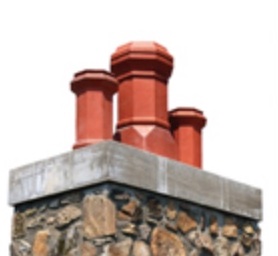
With the tremendous variation in color, size, and style, chimney pots are equally at home in modern or traditional, residential or commercial architecture.
They look great on contemporaries, but we also find that many customers buy them when they are trying to restore an older home to its original self.
Similarly, they have become popular among architects, builders, and homeowners who are building new homes that follow a particular period style.
Of course, not everyone buys chimney pots to put on the chimney. Some people just like to put them in the garden and look at them. If you are interested in the history of chimney pots and how they’ve been used throughout the years, we’ve got an entire section for you to look at: History of Chimney Pots.
How Chimney Pots are Made
Today, chimney pots are still handmade with the same care and craftsmanship that they were in the last century. First, each chimney pot is individually hand crafted, either being thrown on a wheel or using a mold. The chimney pots are then hand completed by an artisan. Once completed, the chimney pots must dry for several days before being loaded into a kiln, where they are fired at temperatures of 2,000 degrees or more.
Firing the Chimney Pots
The kilns used to fire chimney pots are nearly as different as the chimney pots themselves and range from coal-fired (like those used in previous centuries) to state-of-the-art kilns where the chimney pots move through on conveyor belts, not unlike pizzas in a pizza oven. Firing and cool down can take several days.
The pictures shown here are coal-fired beehive kilns. Many of the chimney pots we sell are fired in the kiln above, and receive a salt glaze, so called because salt is literally added into the kiln during the firing process. The door is sealed shut with clay so that the heat inside is kept as even as possible. As far as we know, this is the only coal-fired kiln in the world used for commercially-sold chimney pots. |
ChimneyPot.com (The Chimney Pot Shoppe) |
Give us a call at 724-345-3601 |